Loading... Please wait...
Categories
Why Quality Measuring Instruments and High-Performance Cutting Tools Matter
Posted on Jul 2nd 2026
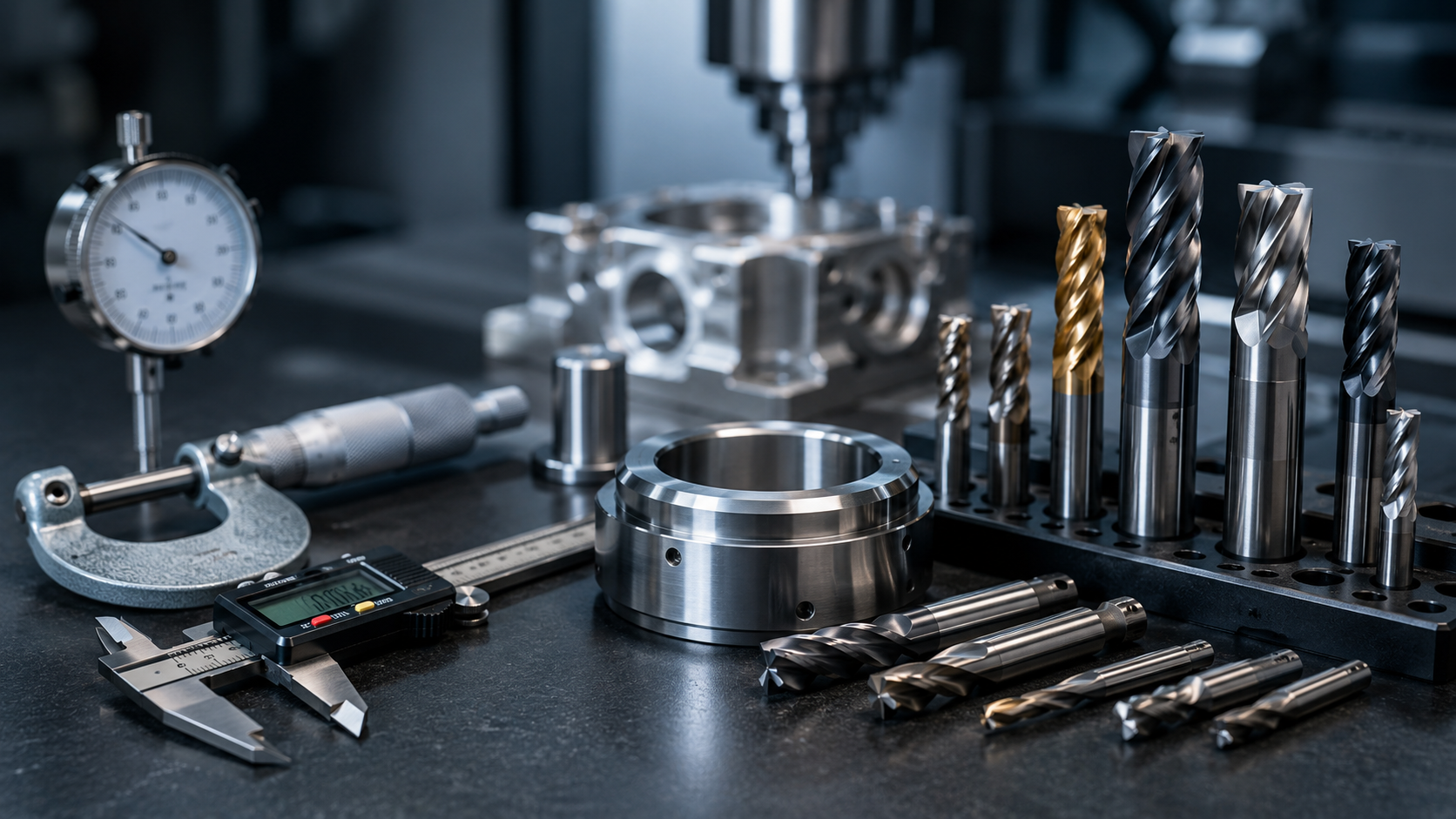
The success in manufacturing or machining is often measured in thousandths of an inch. From manufacturing precision components and equipment maintenance to a busy machine shop, accuracy and efficiency are essential. The tools you use can affect product quality, production rates, and profitability.
For any manufacturing professional, especially for precision measuring tools or high-performance cutting tools, it is one of the smartest investments to ensure you’ve chosen the right equipment.
The Foundation of Quality Manufacturing
Precision is the key to every successful machining operation. Before a cut is made, the dimensions must be checked. The measurements should be monitored during production. After machining is done, the components must meet exact specifications.
Even the smallest mistakes in measurement can lead to material waste, production delays, and costly rework. That’s why professionals rely on trusted measurements that are built to deliver consistent and reputable outcomes.
And one of the most popular precision instruments in manufacturing is the Mitutoyo analog micrometers. Because of their reliability, ease of use, and accuracy in challenging environments, they are a must-have in machine shops, quality control areas, and even industrial facilities.
Unlike digital micrometers, Analog micrometers are battery-free, do not require software updates, and are easy to use and reliable. For many machinists, they are a necessary element of the daily inspection and measurement tasks.
Precision and Productivity Go Hand in Hand
While accurate measurement is important, productivity depends heavily on the cutting tools used throughout the machining process. Today's manufacturers are under increasing pressure to produce greater numbers of parts, maintain tighter tolerances, and cut costs. To achieve these goals, the tooling must be able to withstand high-performance applications and perform.
That's where high-performance cutting tools can make a difference. These tools are designed to achieve cleaner cuts, longer tool life, and improved machining speeds through efficiency, durability, and precision.
The advantages of quality cutting tools are:
- Reduced tool wear
- Improved surface finishes
- Faster material removal rates
- Better dimensional accuracy
- Lower downtime for tool changes
- Increased productivity
The Importance of Choosing the Right Tool for the Job
Not every machining application is the same. Specialized tooling solutions are required for different materials, cutting, and production requirements.
For example:
- Drilling operations require tools optimized for precise hole creation.
- Milling applications benefit from end mills engineered for specific materials.
- Accurate taps and threading tools are essential for threading processes.
- Finishing operations often rely on precision abrasives and measuring tools.
Selecting the right tool improves both efficiency and final product quality. When manufacturers know their application requirements, they can save on waste, prolong tool life, and achieve more accurate control of production.
Measurement Tools: The Unsung Heroes of Manufacturing
While cutting tools often receive a lot of attention in a machine shop, measurement instruments are also very important.
Even the best machining processes can produce inconsistent results without accurate measurements. Precision instruments ensure that every component meets design specifications, verify dimensions, and monitor tolerances. The measuring tools commonly used throughout the industrial community are:
- Micrometers
- Calipers
- Indicators
- Height gauges
- Bore gauges
- Precision measuring systems
Manufacturers continue to rely on the use of reliable tools such as Mitutoyo analog micrometers for repeatable measurements, which helps to eliminate any possibility of inspection errors and maintain quality standards.
Building a More Efficient Workflow
More than just tools, a productive manufacturing environment requires a manufacturing process. Success comes from having a comprehensive workflow that supports efficiency from start to finish.
This includes:
- Planning and Setup: Appropriate tool selection allows machines to be prepared for optimal production efficiency before production begins.
- Machining Operations: By using high-performance cutting tools, operators can maintain productivity and ensure desired tolerances and surface finishes.
- Inspection and Verification: Precision measuring equipment is used to ensure that components meet the correct specification for the next stage of production.
- Continuous Improvement: By analyzing the performance of these tools and the measurement data, manufacturers can identify potential for improved efficiency and reduce costs over time.
When all of these components come into play, businesses can achieve high-quality outcomes with reduced disruptions and waste.
Final Thoughts
To ensure precision manufacturing, a combination of skills, technology, and the proper tools is necessary. Accurate measurement and efficient machining go hand in hand to achieve positive results.
Quality equipment helps to reduce errors, increase productivity, and maintain the standards that modern manufacturing demands, whether you’re verifying dimensions with Mitutoyo analog micrometers or improving efficiency using high-performance cutting tools.
FAQs
- Why are Mitutoyo analog micrometers still popular in modern machine shops?
Mitutoyo analog micrometers are valued for their accuracy, durability, and ease of use. They provide reliable measurements without requiring batteries, making them a dependable choice for quality control and inspection tasks.
- What are the benefits of using high-performance cutting tools?
High-performance cutting tools help improve machining efficiency by reducing tool wear, increasing cutting speeds, and delivering better surface finishes.
- How do measuring instruments improve manufacturing quality?
Precision measuring instruments help verify dimensions, maintain tight tolerances, and ensure components meet specifications. Accurate measurements reduce errors, minimize waste, and support consistent product quality.